
Chefchaouen is worth visiting if you have a week or more in Morocco. The Blue City is calm, photogenic and easy to explore on foot, a real change of pace after Marrakech or Fes. It is also small and far from the south, so one or two nights is enough for most travellers. This guide explains why the town is blue, what to see, when to go and how to decide whether it belongs in your trip.
Why is Chefchaouen blue?
Nobody knows for certain, and you will hear several explanations in town. The most common is that Jewish families who settled in Chefchaouen brought the custom of painting houses blue, a colour linked with the sky and with heaven. Accounts usually date the tradition to the 1930s.
Other explanations are more practical. Some locals say blue keeps houses cooler in summer or keeps mosquitoes away. Others point out, with a smile, that tourists love it, and that residents now repaint the walls every year partly for that reason. All of these probably play a part today.
The town itself is much older than the blue paint. Chefchaouen was founded in 1471 in the Rif Mountains, and its medina grew with Muslim and Jewish families who arrived from Andalusia after leaving Spain.
Is Chefchaouen worth it? An honest answer
For most visitors, yes. Here is what you get and what you should know before you go.
What makes it special
- Blue-washed lanes, stairways and doorways that look different in every light
- A relaxed atmosphere, with far less pressure from sellers than in Marrakech
- A mountain setting, with fresh air and walks right from the medina
- A small, walkable old town where you can find your own way
What to keep in mind
- It is small. You can see the medina in a day, so more than two nights only makes sense if you want to hike or slow down.
- It is far from Marrakech, around 560 km by road, so plan it with Fes or the north (see how to get to Chefchaouen from Marrakech).
- The most famous photo spots get crowded in the middle of the day.
- People live in these houses. Ask before photographing anyone and do not step onto doorsteps or into private alleys for a picture.

What to see in Chefchaouen
The medina
The old town is the main sight. Wander without a plan, uphill and down, and you will find the quiet lanes, the craft shops and the painted steps that make the town famous. Early morning and late afternoon give the softest light and the fewest people.
Outa el Hammam square and the kasbah
The central square is the place for a mint tea and some people-watching. On one side stands the kasbah, a red-walled fortress with a garden and a small museum, worth an hour for its history and the view from the tower.
Ras el Ma
At the top of the medina, a mountain spring runs past old wash houses. It is a lovely spot to sit in the shade, and the starting point for the walk up the hill.
The Spanish Mosque viewpoint
A short uphill walk from Ras el Ma brings you to a small white mosque on the hillside. From here you see the whole blue town spread out below you. Come before sunset.
Akchour waterfalls
If you stay a second night, spend a day at Akchour, a short drive away in the hills. A riverside trail leads to waterfalls and a natural rock arch known as God’s Bridge. Wear proper shoes: the path is rocky in places.
How many days do you need in Chefchaouen?
| Time | What you can do | Who it suits |
|---|---|---|
| Half a day | Walk the medina, see the square, take photos | Day visitors from Fes or Tangier; feels rushed |
| 1 night | Medina, kasbah, sunset at the Spanish Mosque, quiet morning lanes | Most travellers on a 7 to 10-day trip |
| 2 nights | All of the above plus a day hike to Akchour | Walkers and slow travellers |
| 3 nights or more | Slow days, cafes, longer hikes in the Rif | Those who want a real break |
For most people, one night is the sweet spot: you see the town in the evening and early morning, when it is at its best, and you are back on the road by midday.
When is the best time to visit Chefchaouen?
Spring and autumn are the most pleasant seasons, with mild days and green hills. Summer is warm and busy, especially with domestic visitors. Winter in the Rif can be cold and rainy, and some guesthouses are chilly, so pack layers if you travel between December and February.
How to fit Chefchaouen into your trip
Chefchaouen works best between Fes and the coast. Our 7-day Morocco tour from Marrakech includes a night in Chefchaouen after the Sahara and Fes, and our 10-day private Morocco tour visits it on the way from Rabat to Fes. If you prefer a different route, our 7-day itinerary guide shows other ways to plan the week.
Frequently asked questions
How long should you spend in Chefchaouen?
One night is enough for most travellers. Stay two nights if you want to hike to the Akchour waterfalls or simply slow down.
What is the prettiest city in Morocco?
It depends on what you like, but Chefchaouen is on almost every shortlist for its blue medina and mountain setting. Fes is unmatched for history, Essaouira for the sea, and Marrakech for energy.
Can you do Chefchaouen as a day trip?
From Fes, Tangier or Tetouan, yes, though it is a long day from Fes. From Marrakech, no: the drive is too long.
Is Chefchaouen safe?
Chefchaouen is generally calm and relaxed for visitors. Use normal city sense, agree taxi prices in advance and be polite about photographs.
The bottom line
Chefchaouen is worth the journey when it fits naturally into a longer trip through northern Morocco. Give it one night, see it early and late in the day, and leave room in your camera. If you would like a route that includes the Blue City, the Sahara and Fes, tell us your dates and we will plan it with you.
Tours for this trip
- Save 10% online
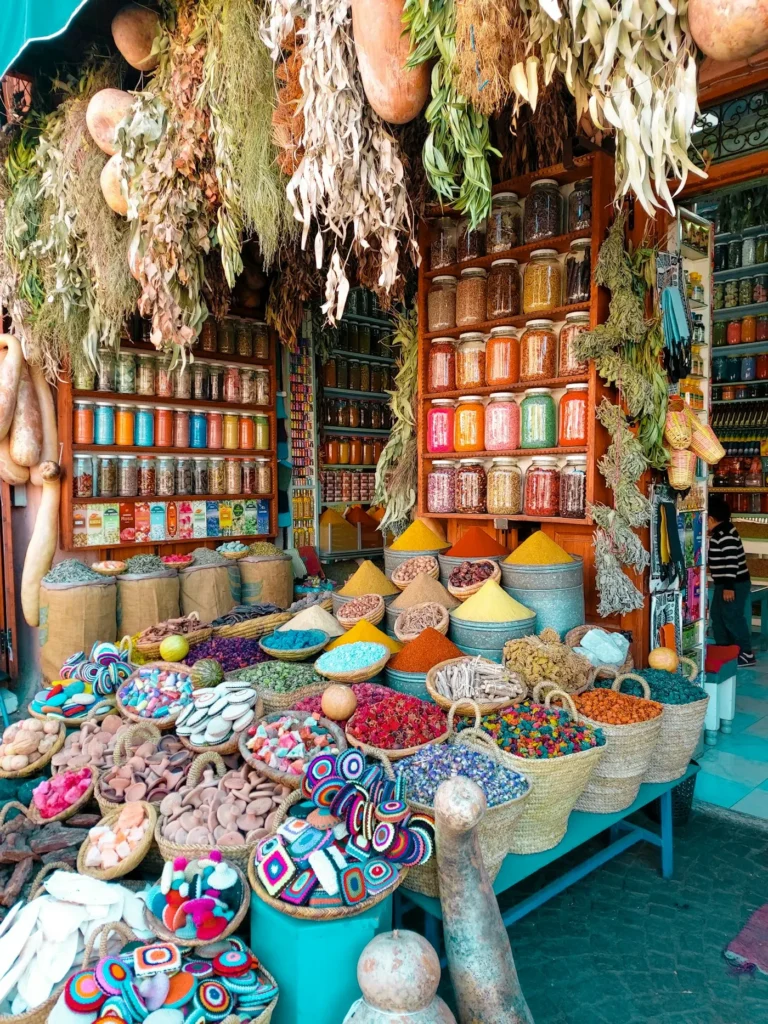 Free cancellation up to 24 hMarrakech Guided Tour: Full DayPalaces, the Saadian Tombs, the Mellah, Ben Youssef Madrasa and the craft souks in one unhurried day with a licensed guide. From €108 View details
- Save 10% online
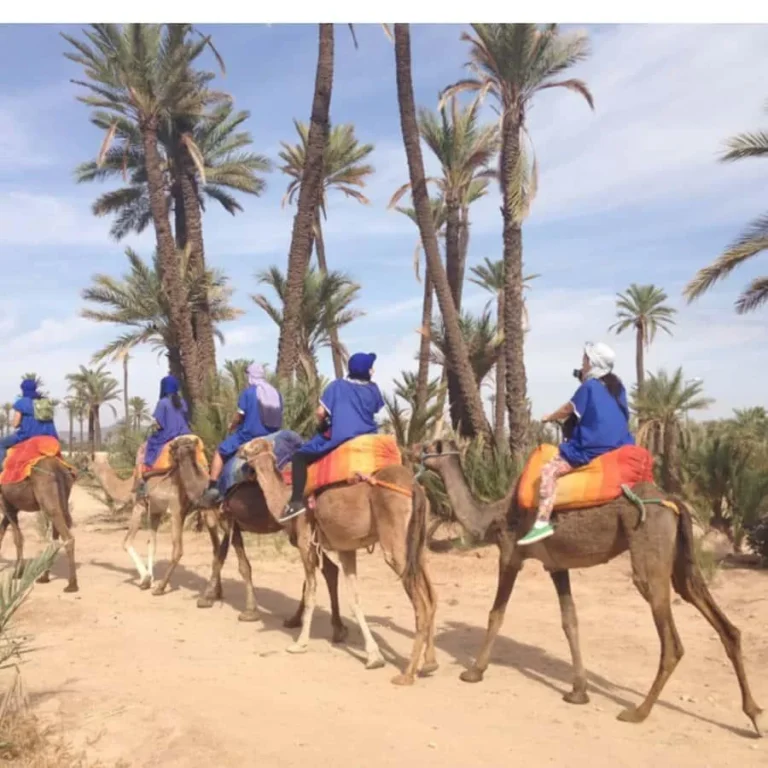 Free cancellation up to 24 hPalmeraie Camel Ride in MarrakechAn easy camel ride through the palm groves on the edge of Marrakech, morning or late afternoon. From €50 View details
- Save 10% online
 Free cancellation up to 24 hMarrakech Guided Tour: Half DayThe Koutoubia, Bahia Palace, Saadian Tombs and the souks in about 4 hours with a licensed local guide. From €59 View details